Preventing fire risks starts long before an emergency. Here’s how facility managers can implement fire safety best practices that protect people, property, and operations in 2026.
Every facility is vulnerable to fire risks – whether it’s from faulty wiring, neglected fire equipment, or overlooked maintenance tasks. As expectations rise for facility safety, operations leaders can’t afford to treat fire prevention as a “check-the-box” item.
Proactive fire safety isn’t just about compliance. It protects lives, safeguards assets, and helps avoid major disruptions to your business.
Here’s what every facility manager should prioritize in 2026.
1. Conduct Regular Fire Risk Assessments
Start with a comprehensive review of all potential hazards – especially in areas with older electrical systems, cooking equipment, or chemical storage.
What to look for:
- Overloaded circuits or outdated panels
- Blocked emergency exits
- Improper storage of flammable materials
- Missing or expired fire extinguishers
- Lack of smoke detectors in key areas
Tip: Schedule professional inspections quarterly and after any facility layout changes.
2. Inspect & Maintain Fire Equipment Consistently
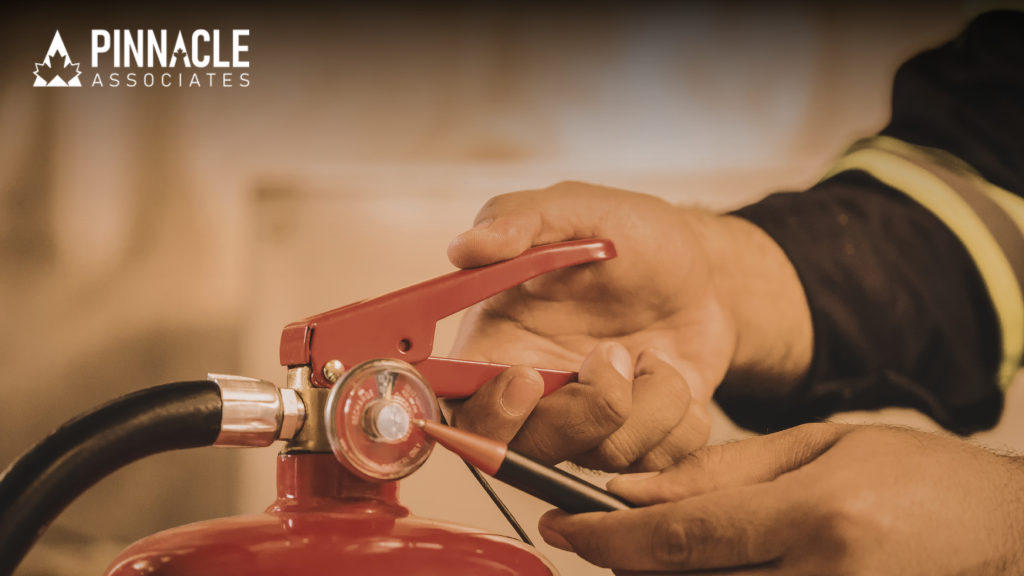
Your fire extinguishers, alarms, and emergency lighting are only useful if they work when you need them. As mentioned by the Canadian Fire Safety Association fire equipment upkeep is highly important.
Checklist for fire equipment upkeep:
- Test smoke and carbon monoxide detectors monthly
- Replace batteries or power sources as needed
- Schedule annual fire extinguisher inspections
- Confirm sprinkler systems are fully operational
At Pinnacle Associates, our fire prevention partners handle everything from inspections to compliance documentation – so your team stays covered without the stress.
3. Train Staff on Emergency Procedures
Even the best equipment can’t replace a prepared team. Make sure your staff knows what to do before an emergency happens.
Recommended training:
- Annual fire safety drills
- Role-specific evacuation responsibilities
- Using fire extinguishers properly
- Where to locate emergency exits and shut-offs
Bonus: Post clear signage and keep floor plans up to date.
4. Ensure Easy Access & Proper Signage
It sounds simple, but cluttered exits, poor lighting, or outdated signage can slow down response time when every second matters.
To-do list:
- Keep hallways and exits clear
- Install illuminated exit signs
- Repair damaged signage or safety lighting
- Double-check accessibility for people with mobility needs
5. Go Beyond Compliance – Think Prevention
Fire code compliance is a minimum. Real protection comes from proactive planning and fast follow-up when something goes wrong.
Pinnacle Associates helps clients across Canada implement end-to-end facility maintenance plans – including trusted fire safety services that meet industry standards and deliver peace of mind.
Conclusion: Safety Starts with a Plan
Fires don’t wait until you’re ready. And in 2026, facility managers who prioritize prevention will protect more than just their buildings – they’ll protect people, operations, and their brand’s reputation.
Need support with fire safety inspections or emergency equipment maintenance?
Explore our full Facility Maintenance Service: https://pinnacleassociates.com/services/s