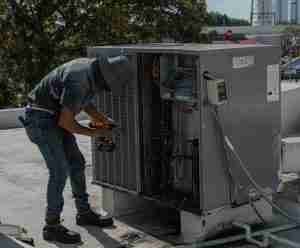
When most people think about fall facility prep, they picture HVAC tune-ups, plumbing inspections. But if your locks, doors, and entry systems aren’t in top condition, you’re exposing your business to risk, both operational and legal.
From emergency egress standards to theft prevention, door hardware plays a bigger role in safety and compliance than many managers realize. As temperatures drop and humidity shifts, misaligned doors and failing locks become more common, and more dangerous.
Here’s what to inspect this fall to keep your property secure, compliant, and operational.
1. Inspect All Door Closures and Locking Hardware
Canadian weather isn’t kind to door systems. Temperature swings in early fall can warp wood or metal doors, misalign latches, or cause closures to slam or stick. These issues don’t just irritate staff and customers, they create potential safety hazards and compromise emergency access.
Key maintenance items include:
- Tightening or replacing loose door closures
- Adjusting door alignment for proper latching
- Checking handles, locks, and hinges for wear
- Lubricating sliding locks or grille systems
2. Test Emergency Exit Devices (Panic Bars)
In Canada, National Building Code (NBC) regulations require that buildings with high occupancy or commercial traffic have readily accessible exit hardware like panic bars or push pads on designated emergency doors.
If these don’t function properly:
- You risk failing a fire or building inspection
- You could face liability in the event of an emergency evacuation
Make sure:
- Panic hardware works with one smooth motion
- No additional locking device, like a deadbolt, impedes exit
- Exit routes are clear and illuminated
3. Audit Your Key and Access Control System
Fall is a good time to re-evaluate who has access to your facility. Whether you’re in retail, healthcare, or commercial property management, key creep, where former employees or vendors still have entry access, is a real risk.
Fall action steps:
- Re-key locks or change passcodes if staff or tenants have transitioned
- Consider moving to restricted or master-key systems
- Inspect keypad or badge access readers for wear
4. Secure All Secondary Entry Points
Back doors, storage rooms, fitting rooms, and even display cases often get overlooked. These are common points of entry during theft attempts or unauthorized access, especially as retail crime trends upward in many provinces.
Important checks:
- Ensure fitting room doors latch properly
- Repair or upgrade sliding grille locks
- Replace compromised detex units, door alarms
5. Document and Schedule Regular Door Inspections
Prevention is cheaper than emergency service calls. Set a quarterly inspection routine for:
- Door hardware functionality
- Exit sign visibility
- Lock performance
- Alarm connections, if applicable
A simple checklist, reviewed each season, can prevent avoidable lockouts, safety citations, or break-ins.
Trust Pinnacle for Locksmith & Door Repair Services
Pinnacle offers commercial locksmith services, lock replacements, door repairs, and emergency board-ups across Canada. Whether you need a simple re-key, a panic bar fix, or a full security hardware upgrade, our team works fast, and respects your hours of operation.
Contact Pinnacle today to schedule a fall lock and door system inspection.